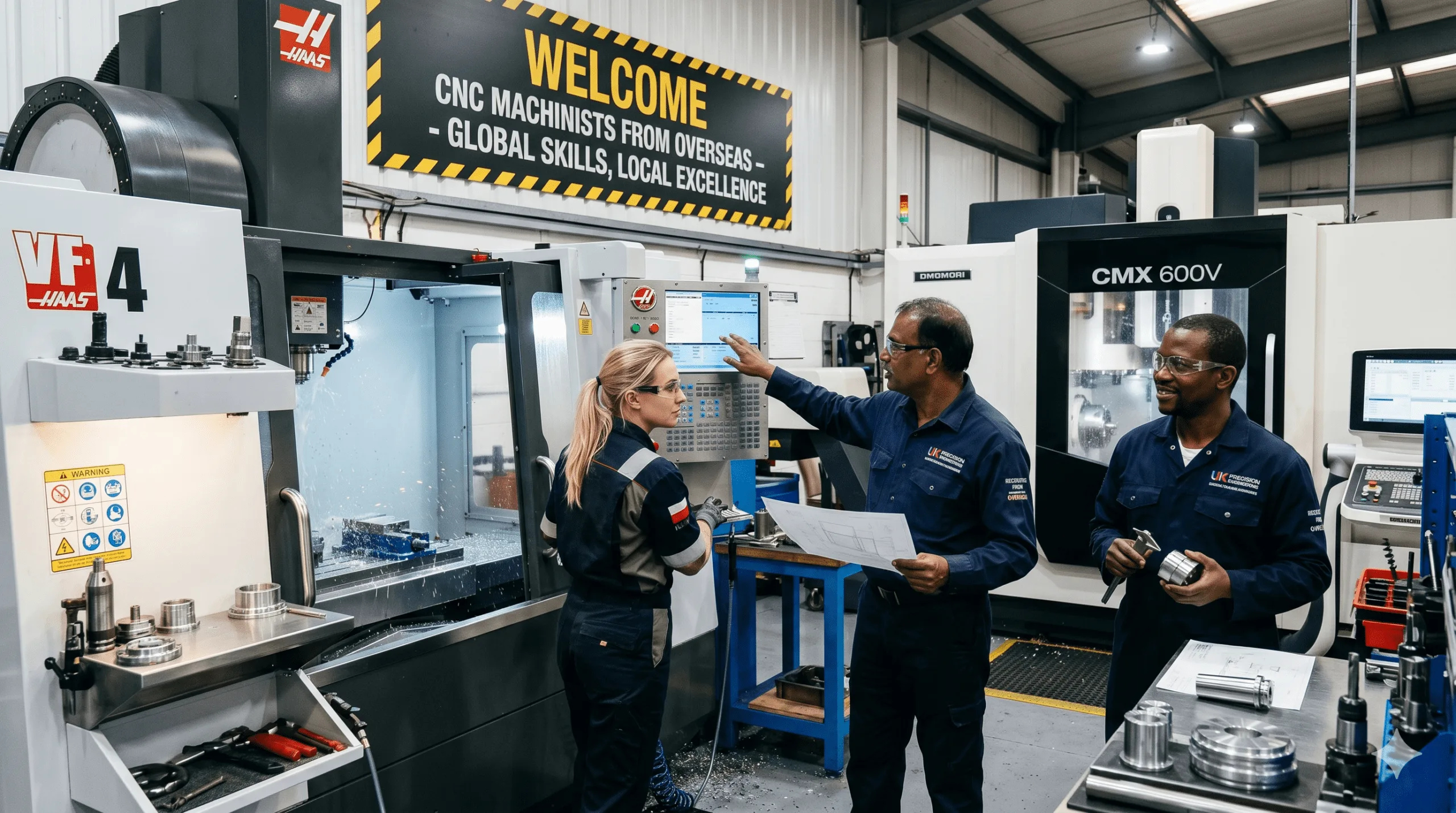
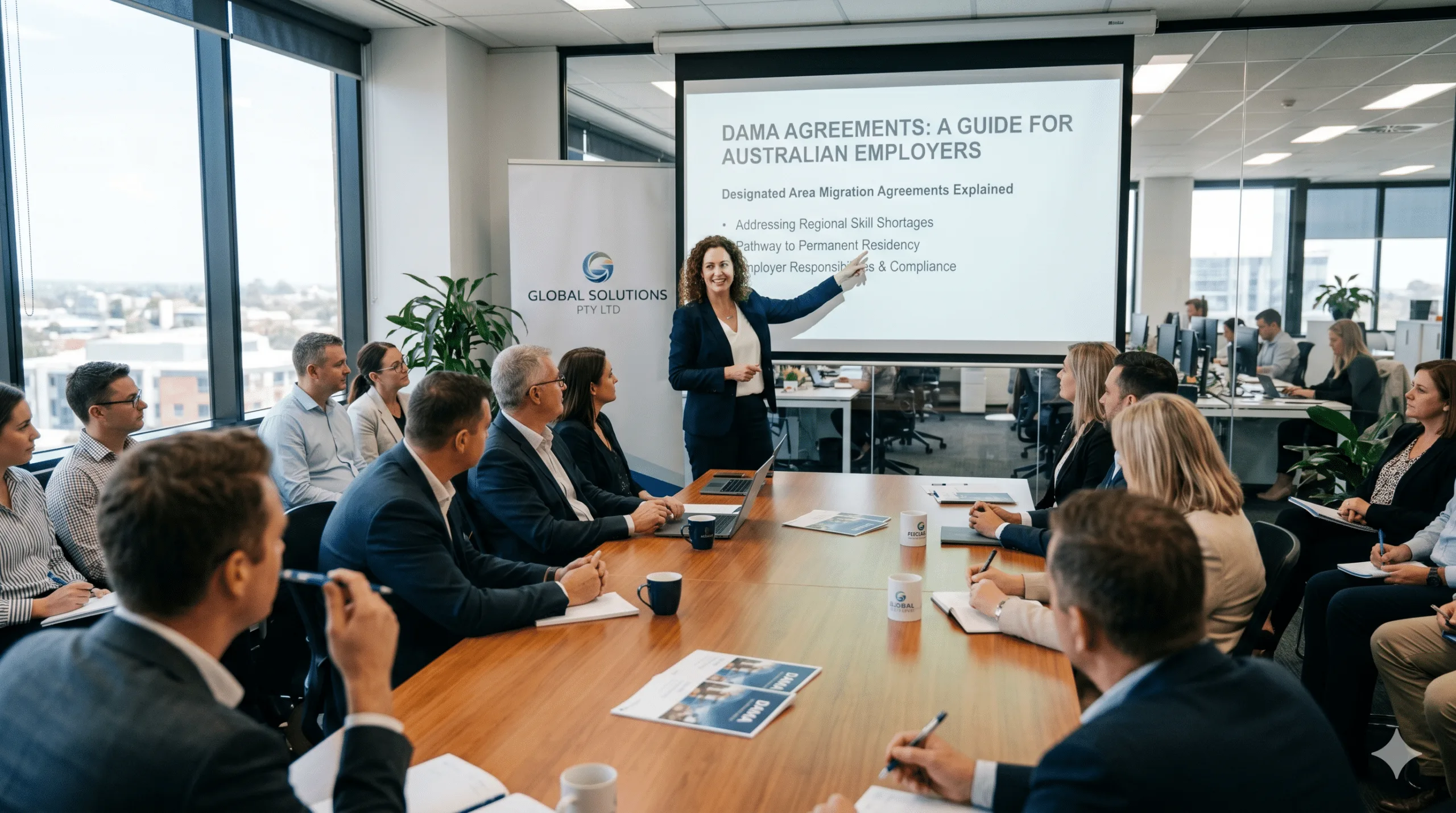
CNC machinists are becoming increasingly difficult to find in Australia, and the businesses that depend on precision manufacturing are feeling it directly. You have advertised the role. You have spoken to your network. You may have offered a higher rate. And still, the position sits open while your production schedule tightens and your existing team absorbs the load.
Recruiting CNC machinists from overseas is a legitimate and proven solution that more Australian manufacturers, engineering firms, and defence contractors are turning to. This guide explains how it works, what the visa pathway looks like, and how to find qualified CNC machinists from South Africa who are ready and motivated to build a career in Australia.
Why Australian Employers Cannot Find CNC Machinists Locally
The shortage of CNC machinists in Australia is structural, not cyclical. The national trade vacancy fill rate sits at just 54.3 per cent according to 2025 OSL data, and precision machining roles are among the hardest to fill because the skill set is highly specialised. Running CNC turning centres, multi-axis milling machines, and CAM programming software requires years of hands-on training that Australian apprenticeship and TAFE pipelines are not producing fast enough.
Industries that rely on CNC machinists include advanced manufacturing, defence and aerospace, mining equipment production, automotive components, medical device fabrication, and general engineering. Across all of these sectors, the same story plays out: experienced CNC machinists are retiring or moving interstate for better pay, and the replacement pipeline is thin.
For businesses in this position, recruiting CNC machinists from overseas is not a stopgap. It is a workforce strategy.
What Makes South African CNC Machinists Well Suited to Australian Roles
South Africa has a deep and well-established manufacturing and engineering sector. CNC machinists trained in South Africa are typically multi-skilled, experienced across both turning and milling operations, and comfortable working to tight tolerances in production environments. Many have backgrounds in the automotive, mining equipment, and heavy engineering industries, which maps directly to Australian demand.
South African CNC machinists also tend to hold formal trade qualifications in fitting and machining, which aligns with the ANZSCO classification used in Australia for skills assessment purposes. Their qualifications are assessed against Australian standards through the relevant Trades Recognition Authority, and many pass this process without significant gaps.
From a cultural fit perspective, South African workers who seek opportunities in Australia are typically motivated by long-term relocation rather than short-term earnings. They are not arriving to job-hop. They are arriving to build a life, which translates directly into the retention outcomes that Australian employers value most.
The 482 Visa Pathway for CNC Machinists
The primary visa pathway for sponsoring overseas CNC machinists is the 482 Temporary Skill Shortage (TSS) visa. This visa allows Australian businesses to sponsor a qualified overseas worker for up to four years, with access to a permanent residency pathway through the 186 Employer Nomination Scheme visa.
CNC machinist roles typically fall under ANZSCO 323214 (Metal Machinist – First Class) or 323212 (Precision Instrument Maker and Repairer), depending on the specific nature of the role. Confirming the correct ANZSCO code for your position is an important early step in the sponsorship process, and it is something that MARA-registered migration agents handle as part of the nomination process.
RecruitUp Global manages the recruitment and candidate sourcing side of the process. All visa applications, nomination documentation, and immigration compliance are handled exclusively by our MARA-registered migration agent partners. You do not need to become a visa expert to hire overseas CNC machinists.
The Employer Steps to Sponsor an Overseas CNC Machinist
Here is how the sponsorship process works for Australian employers looking to hire overseas CNC machinists:
- Become an approved Standard Business Sponsor: Your business must be approved by the Department of Home Affairs as a Standard Business Sponsor before you can nominate any worker on a 482 visa. This involves demonstrating that you are a lawfully operating business with a genuine need.
- Complete Labour Market Testing: You are required to demonstrate genuine attempts to source local workers before sponsoring from overseas. This typically involves advertising the role on at least two platforms for at least 28 days. RecruitUp coordinates this process with employers to ensure it meets Department of Home Affairs requirements.
- Nominate the occupation: Your MARA-registered migration agent submits the occupation nomination, confirming that the role matches the correct ANZSCO code and that the salary meets the Temporary Skilled Migration Income Threshold (TSMIT).
- Candidate visa application: Once nominated, your chosen CNC machinist applies for the 482 visa. Skills assessment through the relevant authority is completed as part of this stage.
- Onboarding: Once the visa is granted, your new CNC machinist can travel to Australia and begin work. RecruitUp supports the pre-departure and onboarding process to ensure a smooth transition.
The total timeline from initial enquiry to a CNC machinist starting on site typically runs three to six months. Starting the process well ahead of your production need is always the right approach.
Industries That Most Commonly Recruit CNC Machinists From Overseas
While the shortage of CNC machinists affects the entire manufacturing sector, certain industries are recruiting internationally with greater urgency than others:
Defence and aerospace manufacturing:
Australia’s growing defence manufacturing sector, including submarine programmes and aerospace maintenance, requires CNC machinists with experience in tight-tolerance work and specialised materials. South African candidates with backgrounds in defence or automotive precision machining are well-positioned for these roles.
Mining equipment and heavy engineering:
WA and QLD mining operations depend on local fabrication and repair of heavy equipment components. CNC machinists who can handle large-format work, hard-wearing alloys, and production-volume requirements are in particularly short supply in regional areas where the shortage index is most severe.
General and precision engineering:
Smaller engineering firms and job shops across Australia are often the hardest hit by the CNC machinists shortage because they cannot compete with large employers on salary alone. Overseas recruitment through the 482 visa pathway gives these businesses access to the same quality talent that larger organisations are sourcing internationally.
What to Look for When Recruiting CNC Machinists From Overseas
Not every candidate who presents as a CNC machinist has the depth of experience your operation needs. When recruiting CNC machinists from overseas, the vetting process matters as much as the sourcing. Key things to assess include:
- Machine type proficiency: Turning, milling, multi-axis, Swiss-type, or a combination
- CAM software experience: Mastercam, Fusion 360, CATIA, SolidCAM, or proprietary controller programming
- Material experience: Aluminium, stainless, titanium, Inconel, hardened steels
- Tolerance experience: General production versus high-precision or inspection-critical work
- Quality system familiarity: ISO 9001, AS9100, or industry-specific quality frameworks
RecruitUp Global pre-screens all candidates against the specific requirements of the role before presenting them to employers. You are not sorting through applications. You are reviewing a shortlist of qualified, vetted CNC machinists who meet your exact specifications.
How RecruitUp Global Helps You Hire CNC Machinists From South Africa
RecruitUp Global specialises in connecting Australian employers with skilled tradespeople and technical workers from South Africa, including experienced CNC machinists across turning, milling, and multi-axis operations. We handle the full recruitment process, from role briefing and candidate sourcing through to Labour Market Testing coordination and pre-departure support.
All visa and immigration steps are managed by our MARA-registered migration agent partners, who work alongside you and your candidate to ensure the 482 visa process is compliant and progresses without delays. You get qualified CNC machinists on your floor, and you never have to navigate the immigration system alone.
Contact RecruitUp Global today to discuss your CNC machinists requirement and find out how quickly we can get the right candidates in front of you.