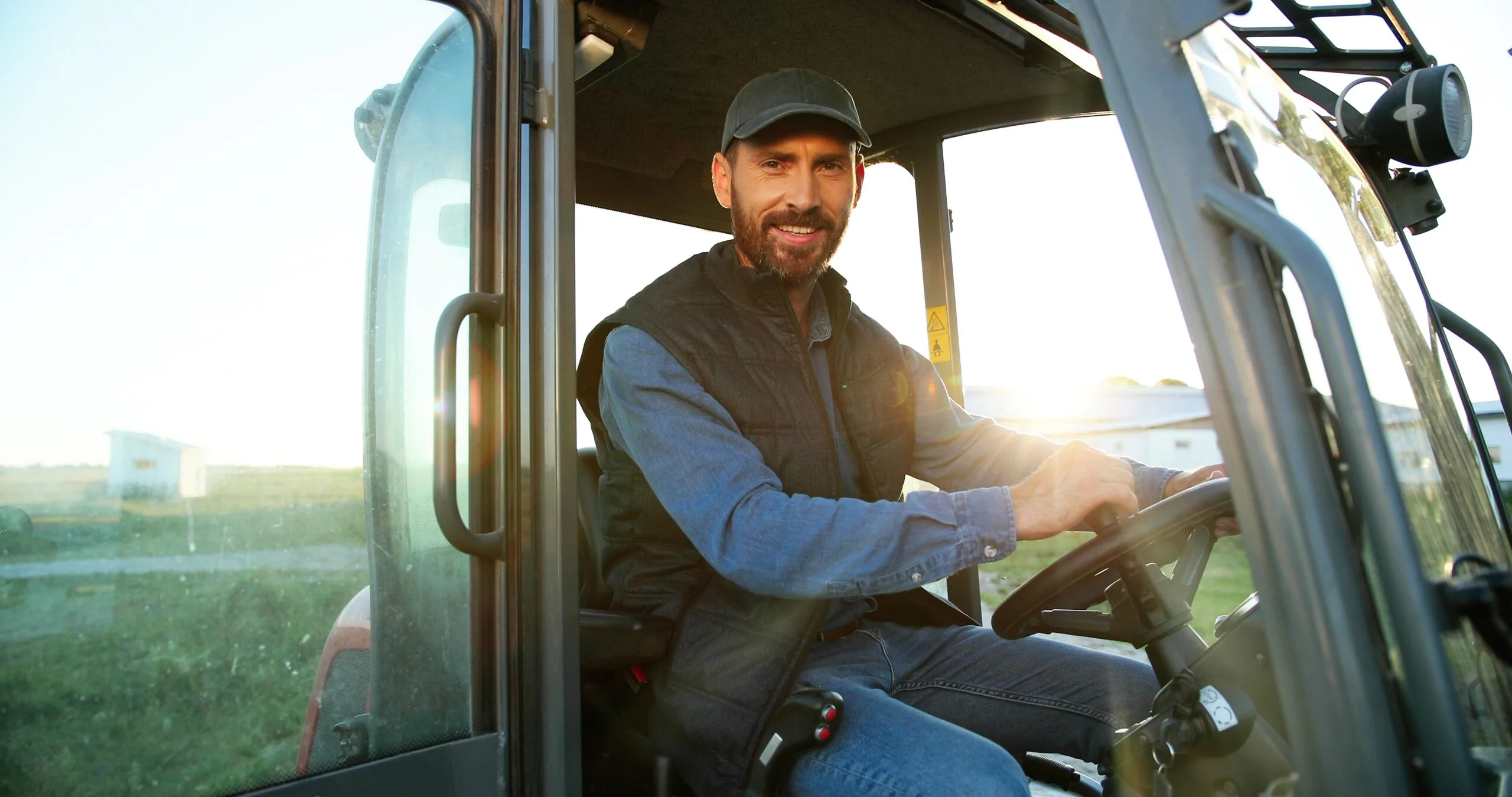
Australia faces a critical shortage of skilled In-Demand Trades Australia. For qualified South Africans, this presents an urgent opportunity, with roles like boilermakers, electricians, plumbers, carpenters, and diesel mechanics being highly sought after across booming sectors like construction, mining, and renewables, offering clear visa pathways and strong job prospects.
Table of Contents
- What are the Top In-Demand Trades in Australia for 2025?
- Why Are These Specific Trades So Highly In Demand Right Now?
- What Opportunities Exist for South Africans with Trade Qualifications?
- Summary Table: Which Trades Are Most In-Demand in Australia (2025)?
- Conclusion: Act Now on Australian Trade Opportunities
- Frequently Asked Questions
What are the Top In-Demand Trades Australia for 2025?
Australia is currently experiencing a significant and urgent shortage of skilled tradespeople across nearly every state and territory. This isn’t a slow trend; it’s a pressing need driven by rapid economic growth, major infrastructure projects, a surge in construction, and the unavoidable reality of an aging workforce reaching retirement. For qualified trades professionals, particularly those from South Africa looking for secure, well-compensated employment and a high quality of life, this situation presents a compelling, time-sensitive opportunity.
The demand for skilled trades in Australia is directly linked to ambitious national goals, such as building 1.2 million new homes by 2029 [SUGGESTION: Link to Australian government housing target announcement]. This, coupled with ongoing investment in mining, resources, defence, and critical infrastructure like roads, rail, and energy networks, creates a landscape where holding a relevant trade qualification is like holding a golden ticket. Here’s a breakdown of the most critically in-demand trades you need to know about right now:
Boilermakers: Fabricating Australia’s Future
Boilermakers are at the absolute forefront of Australia’s industrial needs. Their skills in fabricating, assembling, and welding heavy steel structures are vital across mining, significant construction projects, heavy engineering, and defence sectors. They work on everything from structural components for buildings and bridges to equipment used in resource extraction and processing plants.
The demand is particularly high for those with advanced welding tickets (like coded welding) and extensive experience in heavy structural work. This isn’t light duty; it requires precision, expertise, and the ability to work on large-scale, complex projects. Boilermakers are crucial for maintaining and expanding the backbone of Australia’s heavy industry. If you’re a skilled boilermaker, Australia needs your expertise urgently.
[SUGGESTION: Image of a boilermaker welding on a construction site. Alt text: “Skilled boilermaker performing heavy welding on a steel structure in Australia.”]
Electricians: Powering the Nation, Now and Tomorrow
The need for electricians in Australia is profound and escalating. This demand stems from multiple sources: the continuous boom in residential and commercial construction requires extensive wiring and fit-outs; the critical national push towards renewable energy (solar, wind, battery storage) needs skilled installers and maintenance professionals; and industrial facilities require expert electrical maintenance and upgrades.
Qualified electricians with experience in industrial settings, commercial projects, or renewable energy systems are especially sought after. Obtaining the necessary Australian ‘A-grade’ electrical licence is a non-negotiable step, along with current certifications like CPR and LVR (Low Voltage Rescue). The electrical trade isn’t just in demand; it’s essential for powering Australia’s growth and transition to green energy. Don’t delay in getting your qualifications assessed.
Plumbers: Building Health and Infrastructure
Plumbers are foundational to all building and infrastructure projects. As Australia races to build new homes and upgrade its public facilities, the demand for skilled plumbers is soaring. They are needed for installing and maintaining water systems, drainage, sewage, and gas lines in residential, commercial, and industrial settings.
Specific areas of high demand include plumbers with experience in gas fitting (installing and repairing gas systems) and roofing plumbing (installing and maintaining roof drainage systems). The work is diverse, from fitting out new bathrooms and kitchens to installing complex pipe networks on large construction sites or maintaining essential services in existing buildings. Plumbing isn’t just a trade; it’s a critical public health and infrastructure role.
Welders: Joining Industries Together
Welders possess skills that are universally needed across Australian industry. From manufacturing and construction to mining, transport, and agriculture, the ability to join metal components precisely and reliably is indispensable.
The highest demand is for welders proficient in various techniques, including MIG (Gas Metal Arc Welding), TIG (Gas Tungsten Arc Welding), and Stick (Shielded Metal Arc Welding). Critically, employers often seek welders who can accurately interpret technical drawings and work with different materials like stainless steel and aluminium. Like boilermakers, specific welding tickets and certifications can significantly boost your prospects. Welding is a vital skill in keeping Australia’s industrial wheels turning.
[SUGGESTION: Image of a welder wearing a helmet and protective gear. Alt text: “Skilled welder working on a metal assembly.”]
Carpenters and Joiners: Shaping the Urban Landscape
Carpenters and joiners are perhaps the most visibly in-demand trades due to the unprecedented residential and commercial construction boom. They are the core workforce building Australia’s new homes, apartments, offices, and retail spaces. Their skills span everything from framing buildings and installing floors, doors, and windows to crafting bespoke cabinetry and structural elements.
The opportunities are incredibly diverse, ranging from large-scale residential housing developments and high-rise commercial projects to renovations, fit-outs, and infrastructure formwork. Holding a White Card (mandatory for construction sites) and having proven skills in various aspects of carpentry – from structural framing to fine finishing – makes you highly employable. Carpenters are absolutely essential to meeting Australia’s housing targets.
Diesel Mechanics: Keeping Australia Moving
Australia’s vast geography and reliance on heavy industry, agriculture, and logistics make diesel mechanics critically important. These professionals are needed to maintain, diagnose, and repair heavy vehicles and machinery, including trucks, buses, agricultural equipment, mining equipment, and construction plant.
Demand is particularly strong in regional areas where mining and agriculture dominate, but also in major transport hubs. Key skills that are highly valued include advanced diagnostics (using electronic tools), hydraulic system expertise, and experience with specific types of heavy machinery. Without skilled diesel mechanics, critical sectors of the Australian economy would grind to a halt.
HVAC Technicians: Managing Australia’s Climate
As Australia experiences increasing temperatures and energy efficiency becomes a major focus, the demand for Heating, Ventilation, and Air Conditioning (HVAC) technicians is rapidly growing. They install, maintain, and repair systems that control indoor climate in residential, commercial, and industrial buildings.
The rise of energy-efficient and smart HVAC systems, coupled with stricter building codes, means technicians need up-to-date skills. Holding a refrigeration handling licence is often a mandatory requirement. HVAC is becoming increasingly essential not just for comfort, but for energy management and compliance.
Fitters and Turners: The Backbone of Manufacturing
Fitters and turners are precision engineers crucial for manufacturing, maintenance, and repair across various industries, including manufacturing, defence, and heavy industry. They work with metal and other materials to create, assemble, and maintain parts and machinery.
Skills in operating CNC (Computer Numerical Control) machines and precision machining are particularly advantageous in the modern industrial landscape. They are vital for ensuring machinery operates correctly and efficiently, playing a key role in productivity and industrial output.
Sheet metal workers are needed for fabricating components used in everything from HVAC ductwork and roofing to architectural features and specialised equipment. Their skills in cutting, shaping, and joining sheet metal are essential in construction and manufacturing.
Experience with specific materials like stainless steel and aluminium, along with welding skills applicable to sheet metal, are highly sought after. They play a vital role in both functional and aesthetic aspects of building and manufacturing.
Truck Drivers: The Lifeline of Logistics
While not a traditional trade in the sense of fabrication or construction, licensed heavy vehicle truck drivers are experiencing critical shortages across Australia. The logistics required to move goods, materials (including construction supplies and mining outputs), and equipment across the vast distances demands a constant supply of skilled drivers.
Holding HR (Heavy Rigid), HC (Heavy Combination), or MC (Multi-Combination) licences significantly increases employability, particularly for roles in freight, construction, and mining support. This role is fundamental to keeping the Australian economy connected and supplied.
Other Notable Trades Facing Urgent Shortages
Beyond the most prominent roles, several other trades are facing significant demand, largely driven by the ongoing housing and infrastructure boom. These include:
- Bricklayers: Absolutely essential for the foundations and walls of new homes and buildings.
- Tilers: High demand for both wall and floor tiling in residential and commercial fit-outs.
- Plasterers: Needed for internal wall and ceiling finishes.
- Painters: Required for finishing works on residential and commercial projects.
These roles offer substantial opportunities, particularly for South Africans skilled in these areas, contributing directly to Australia’s ambitious construction targets. [INTERNAL LINK: Consider linking “construction targets” to an article about “Australia’s Housing Crisis and Demand for Tradies”]
✅ Key Takeaway: The list of in-demand trades in Australia is extensive, covering foundational roles in construction, critical positions in heavy industry and mining, and essential services like electrical and plumbing work. These aren’t minor shortages; they represent urgent national needs.
Why Are These Specific Trades So Highly In Demand Right Now?
Understanding the ‘why’ behind the demand makes the opportunity for skilled South Africans even clearer. It’s not just one factor; it’s a confluence of economic and demographic forces creating this urgent need for tradespeople.
Is the Construction Boom Really That Big?
Absolutely. The Australian government has set an ambitious target of building 1.2 million new homes by 2029 to address housing affordability and supply issues. This is a monumental task that requires hundreds of thousands more skilled construction workers, including carpenters, bricklayers, plumbers, electricians, tilers, and painters. Beyond residential, significant commercial and infrastructure projects are also underway or planned – think new hospitals, schools, transport links, and renewable energy farms. This level of activity creates a sustained, high level of demand across almost all building-related trades. [SUGGESTION: Link to government source on infrastructure spending].
How Do Mining and Resource Projects Influence Trade Demand?
Australia’s economy has a strong foundation in mining and resources, particularly in states like Western Australia, Queensland, and South Australia. While commodity prices fluctuate, there is ongoing investment in new projects, mine expansions, and critical maintenance of existing facilities. These projects require the specialised skills of boilermakers, welders, diesel mechanics (for heavy mining equipment), and electricians (for plant operations). The remote locations often associated with these projects can sometimes make it harder to attract local labour, further increasing the urgency for skilled migrants.
[SUGGESTION: Image of heavy mining equipment in a remote location. Alt text: “Large mining truck in the Australian outback.”]
What Role Do Sustainable Industries Play?
Australia is committed to transitioning to cleaner energy sources. This transition involves massive investment in solar farms, wind farms, battery storage facilities, and upgrading the national grid. This shift creates significant demand for electricians skilled in installing and maintaining renewable energy systems. Similarly, the focus on energy efficiency in buildings boosts the need for HVAC technicians who can work with modern, energy-efficient climate control systems. This is a growing area of demand with long-term prospects.
Is the Aging Workforce a Major Factor?
Yes, it’s a critical issue. A significant portion of Australia’s experienced trades workforce is approaching retirement age. As these skilled professionals leave the industry, there aren’t enough younger Australians entering trades to fill the gap. This demographic shift creates a skills vacuum, particularly for highly experienced tradespeople with deep knowledge and complex problem-solving abilities. This is one of the primary reasons why the Australian government actively seeks skilled migrants, including tradespeople, to maintain essential services and support economic growth. [SUGGESTION: Link to a report on Australia’s skills shortage or aging workforce].
💡 Pro Tip: Don’t underestimate the impact of the aging workforce. Employers are not just looking for hands; they need experience and problem-solving skills that often come with years on the tools. Your experience is highly valuable.
What Opportunities Exist for South Africans with Trade Qualifications?
Given this urgent demand, Australia offers several clear pathways for skilled South African tradespeople. However, it’s crucial to understand the process and requirements.
What Are the Main Visa Pathways Available?
The Australian migration system offers several potential routes for skilled tradespeople:
- Employer-Sponsored Visas (e.g., TSS Visa Subclass 482): This is a common pathway. It requires you to have a formal job offer from an Australian employer who is willing to sponsor you. Your occupation must be on the relevant list of eligible skilled occupations. You need to demonstrate that you have the skills and qualifications required for the role and meet English language requirements. This visa is often the quickest route once a job offer is secured, but it ties you to that specific employer initially.
- Skilled Independent Visa (Subclass 189): This visa is points-tested and doesn’t require state nomination or employer sponsorship. Your trade must be on the Skilled Occupation List. You need to pass a skills assessment for your trade, meet age, English language, and health/character requirements, and score enough points based on factors like age, English ability, work experience, and qualifications. Competition for this visa can be high, but it offers maximum flexibility upon arrival. [INTERNAL LINK: Consider linking “points-tested” to an article explaining “Australia’s Skilled Migration Points System”]
- Skilled Nominated Visa (Subclass 190): Similar to the 189 visa, this is also points-tested, but it requires nomination by an Australian state or territory government. States nominate occupations where they have specific skills shortages. Nomination provides additional points towards your visa application. South Australia and Western Australia, in particular, have historically prioritised trades and construction roles due to acute local shortages. This can be an excellent pathway if your trade is in demand in a nominating state.
- Skilled Work Regional (Provisional) Visa (Subclass 491): This is another state-nominated or family-sponsored provisional visa requiring you to live and work in a designated regional area of Australia for five years. It’s also points-tested and can lead to permanent residency after three years if conditions are met. Regional areas often have even more acute trade shortages than major cities.
Navigating these options requires careful planning and understanding of eligibility criteria.
Why is Recognition of Qualifications So Important?
Australian standards for trades are rigorous. Even if you are highly experienced and qualified in South Africa, you must have your skills formally assessed by the relevant Australian assessing authority for your trade. For most trades, this is Trades Recognition Australia (TRA). The skills assessment process verifies that your qualifications and experience are equivalent to the Australian standard for your trade.
This assessment is mandatory for most skilled migration visas and is often required to obtain the necessary Australian trade licences (e.g., electrical licence, plumbing licence), which you will need to legally work in your trade in Australia. Without a successful skills assessment and the correct licensing, your path to working as a tradesperson in Australia is blocked. Don’t underestimate the importance of this step; it’s foundational.
💬 Important Note:
The skills assessment process can take time and requires detailed documentation of your qualifications, training, and work experience. Start preparing for this early in your migration journey. – Migration Expert
What is the Lifestyle and Integration Like?
Australia offers a high quality of life, often featuring excellent public services, a strong economy, beautiful natural environments, and a generally relaxed lifestyle (outside of work hours!). For South African migrants, there are large, established communities, making integration smoother for many.
Australia values skilled workers, and tradespeople are respected professionals earning competitive salaries. The country offers a safe environment, good schools for families, and opportunities for outdoor activities. While relocating is always a big step, Australia is known for being welcoming to skilled migrants who contribute to its economy and society. Many South Africans find the transition rewarding.
Summary Table: Which Trades Are Most In-Demand in Australia (2025)?
This table provides a quick snapshot of the key trades facing high demand, their primary industries, and some important requirements. This is a critical list for anyone considering the move.
| Trade |
Key Industries |
Notable Requirements/Skills |
| Boilermaker |
Mining, Construction, Engineering |
Welding tickets (incl. coded), fabrication, structural steel experience |
| Electrician |
Construction, Renewables, Industrial |
A-grade licence (state-specific), CPR/LVR tickets, industrial or renewable experience valued |
| Plumber |
Housing, Civil Works, Maintenance |
Gas fitting, roofing experience, drain laying, all-rounder skills |
| Carpenter/Joiner |
Construction, Infrastructure, Renovations |
White Card (mandatory), framing, fit-out, formwork, reading plans |
| Welder |
Manufacturing, Mining, Construction |
MIG/TIG/Stick proficiency, technical drawing interpretation, material knowledge (stainless, aluminium) |
| Diesel Mechanic |
Mining, Agriculture, Logistics, Transport |
Advanced diagnostics, hydraulics, engine rebuilding, heavy vehicle experience |
| HVAC Technician |
Construction, Green Buildings, Maintenance |
Refrigeration handling licence (mandatory), energy-efficient system knowledge |
| Fitter & Turner |
Manufacturing, Defence, Mining |
CNC operation, precision machining, mechanical fitting, maintenance |
| Sheet Metal Worker |
Manufacturing, Construction |
TIG welding, custom fabrication, ductwork, working with various metals |
| Truck Driver |
Freight, Mining, Construction |
Relevant Heavy Vehicle Licence (HR/HC/MC), clean driving record |
| Bricklayer/Tiler |
Construction (Residential/Commercial) |
Trade qualification, speed, quality, consistency |
| Painter |
Residential, Industrial, Commercial |
Surface preparation, various paint systems, finishing techniques |
This table confirms the breadth of opportunities available right now for those with the right skills.
The situation is clear: Australia has an urgent and sustained demand for skilled tradespeople, and this demand aligns perfectly with the qualifications held by many professionals in South Africa. From the critical need for boilermakers in heavy industry to the foundational requirements for carpenters and plumbers in the housing boom, the opportunities are real and significant.
Pursuing a trade career in Australia offers not just a job, but a potential pathway to permanent residency, competitive earnings, and a high-quality lifestyle for you and your family. The challenges lie in navigating the visa process, ensuring your qualifications are recognised, and securing the necessary licences.
Don’t wait for this critical window of opportunity to narrow. If you are a qualified tradesperson in one of these in-demand fields, now is the time to explore how your skills can open doors to a thriving career and life in Australia. Get informed, understand the requirements, and take the first steps towards having your skills recognised.
✅ Key Takeaway: Skilled tradespeople from South Africa are highly sought after in Australia across multiple critical sectors. The time to act on this opportunity is now.
Frequently Asked Questions
Q: How long does the skills assessment process typically take for trades? A: The duration can vary depending on the trade, the assessing authority (usually TRA), the complexity of your application, and current processing times. It can range from a few weeks to several months. It’s crucial to submit a complete and well-documented application to avoid delays.
Q: Do I need an English test? A: Yes, for most skilled migration visas, you will need to demonstrate proficiency in English, usually by taking a test like IELTS or PTE and achieving a minimum score. The required score varies depending on the visa subclass.
Q: Can my family accompany me on a skilled visa? A: Yes, generally, your partner and dependent children can be included in your skilled visa application. They will also need to meet health and character requirements.
Follow our socials: